Through Two Rounds of Regional Tension, Oman Hasn't Missed a Beat
Since February, the region has been through two separate waves of escalation. Both times, Muscat and Salalah kept operating without interruption. Here's what that actually tells you.
Since February, the wider region has been through two separate waves of escalation — and through both of them, Muscat and Salalah never stopped operating. That's not luck. It's worth understanding what durability actually looks like on the ground, rather than waiting for a headline that says it's over.
Two Waves, Not One
The first wave is the one most people remember. Hostilities between the US, Israel and Iran broke out in late February, disrupting the Strait of Hormuz and touching Oman's industrial port zones — Duqm, Salalah's port, an industrial area in Sohar. A ceasefire held from April, and a US-Iran memorandum in mid-June brought a real, verified de-escalation: five governments, including the UK, US, Germany and Australia, independently eased their Oman advisories within the same fortnight. We wrote about that shift in detail at the time.
What we didn't know in late June was that it wouldn't hold. The memorandum broke down in early July. Iran struck Duqm again. A US base in Bahrain was hit. Jordan came under fire. As of this writing, the US State Department's Oman advisory sits back at Level 3 ("Reconsider Travel"), and the FCDO continues to flag regional tensions rather than standard guidance. Two escalations in eight months is not the story of a country recovering in a straight line — it's the story of a region that keeps flaring up around a country that keeps absorbing it.
What Actually Held, Both Times
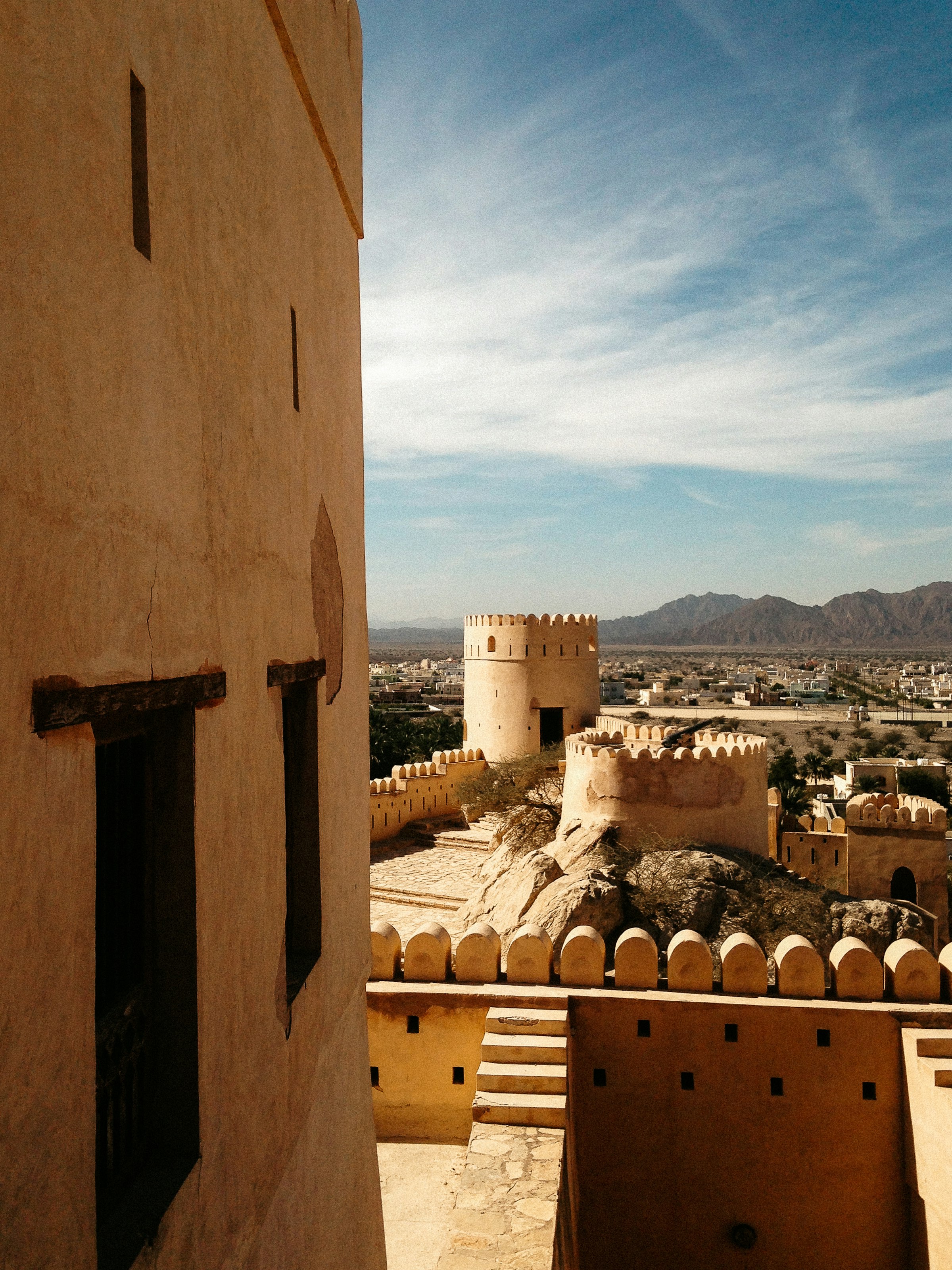
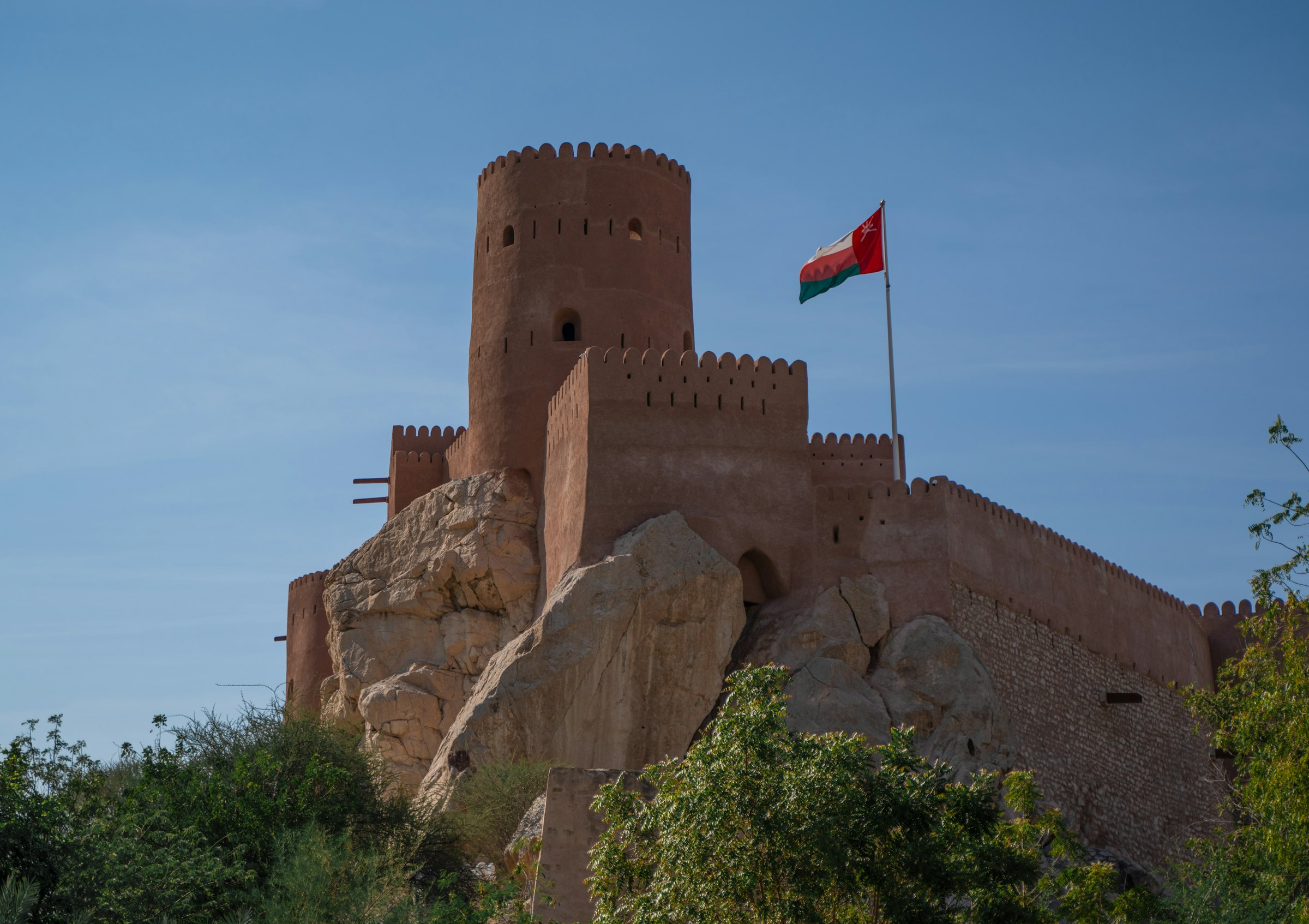
This is the part worth paying attention to. Through the February escalation and the July relapse, Muscat International Airport ran 24/7 with no diversions. Muscat's hotels, souqs and cultural sites stayed open. Our guides stayed on the mountain trails and in the wadis. Salalah's tourist circuit was untouched by either round of strikes on the city's industrial port. None of that is an accident — it reflects a straightforward geographic reality that's been true throughout: the areas referenced in every advisory update, in both February and July, are commercial port and industrial zones. They are not Muscat, Nizwa, Jebel Akhdar, or Wahiba Sands.
Oman's longstanding diplomatic neutrality is part of why. It has spent decades declining to take sides in regional disputes and serving as a back-channel where other nations can't speak directly. That doesn't make it immune to a missile fired at a nearby target, but it does mean the country itself has never been the target — in either round of this conflict.
Why "Reopening" Was the Wrong Frame
In June, we and a lot of the industry described the advisory downgrades as Oman "reopening." That word implied a door swinging one direction — closed, then open, done. Eight months into this, that's clearly not the shape of what's happening. The more accurate description is that Oman has now demonstrated, twice, that it keeps functioning through regional escalation that has nothing to do with conditions inside the country. That's a sturdier claim than "the advisory changed," because it doesn't depend on the advisory staying changed.
What This Means If You're Booking or Selling Oman Right Now
Don't wait for a single, permanent "all clear" — on the evidence of the last eight months, that may not be how this resolves. Advisories will likely keep moving in both directions as the wider regional situation does. What matters more is the operational track record: has the destination itself kept functioning through it. On that measure, Oman's answer has been consistent every time.
Build in real flexibility regardless — a deferral window, clear force majeure language, proactive updates before a client has to ask. We've detailed what that actually looked like in practice this spring. And check the current FCDO or relevant government advisory directly before finalising any booking; don't rely on any article, including this one, as the up-to-date word on advisory status.
Where We Go From Here
We're not going to promise this is the last round of regional tension the wider Gulf sees this year — nobody can promise that. What we can tell you, with two data points now instead of one, is what happens to Oman specifically when it does: very little, on the ground, in the places your clients actually go.
If you're building an Oman program and want to talk through contingency planning or current advisory status before you commit, get in touch — we're watching this closely and we'll give you a straight answer. Get in touch.
Related posts
Through Two Rounds of Regional Tension, Oman Hasn't Missed a Beat
How Our Flexible Booking Policies Carried Clients Through Oman's Uncertain Spring