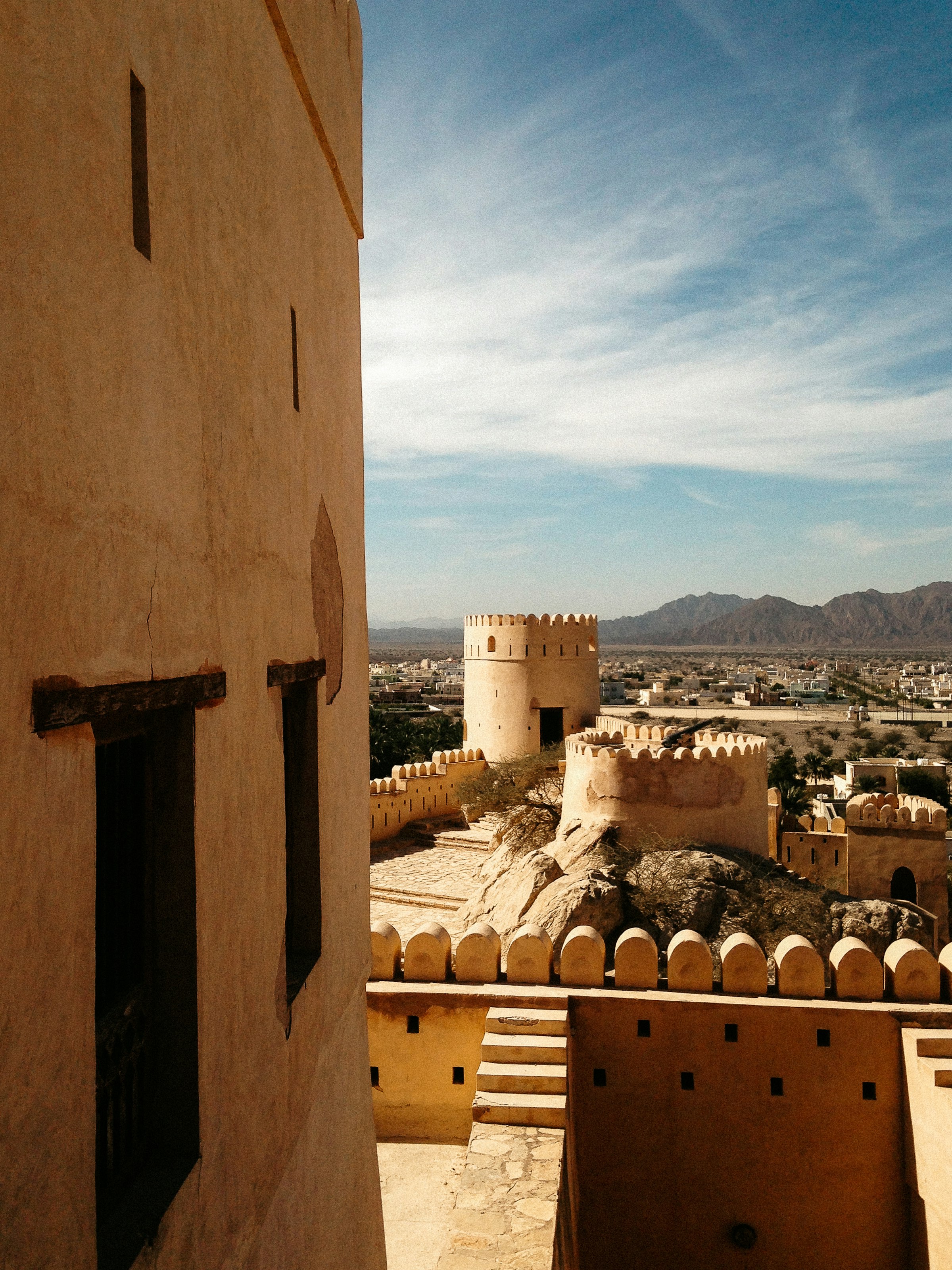
Planning Your First Trip to Oman: A Practical Guide for UK Travellers
Oman tends to reward the traveller who shows up prepared — not because it's difficult, but because understanding what to expect lets you move past the logistics and actually absorb the place. This is the guide we wish every first-time visitor had before they landed.
Oman tends to reward the traveller who shows up prepared — not because it's difficult, but because understanding what to expect lets you move past the logistics and actually absorb the place. This is the guide we wish every first-time visitor had before they landed.
Why Oman Makes Such a Strong First Impression
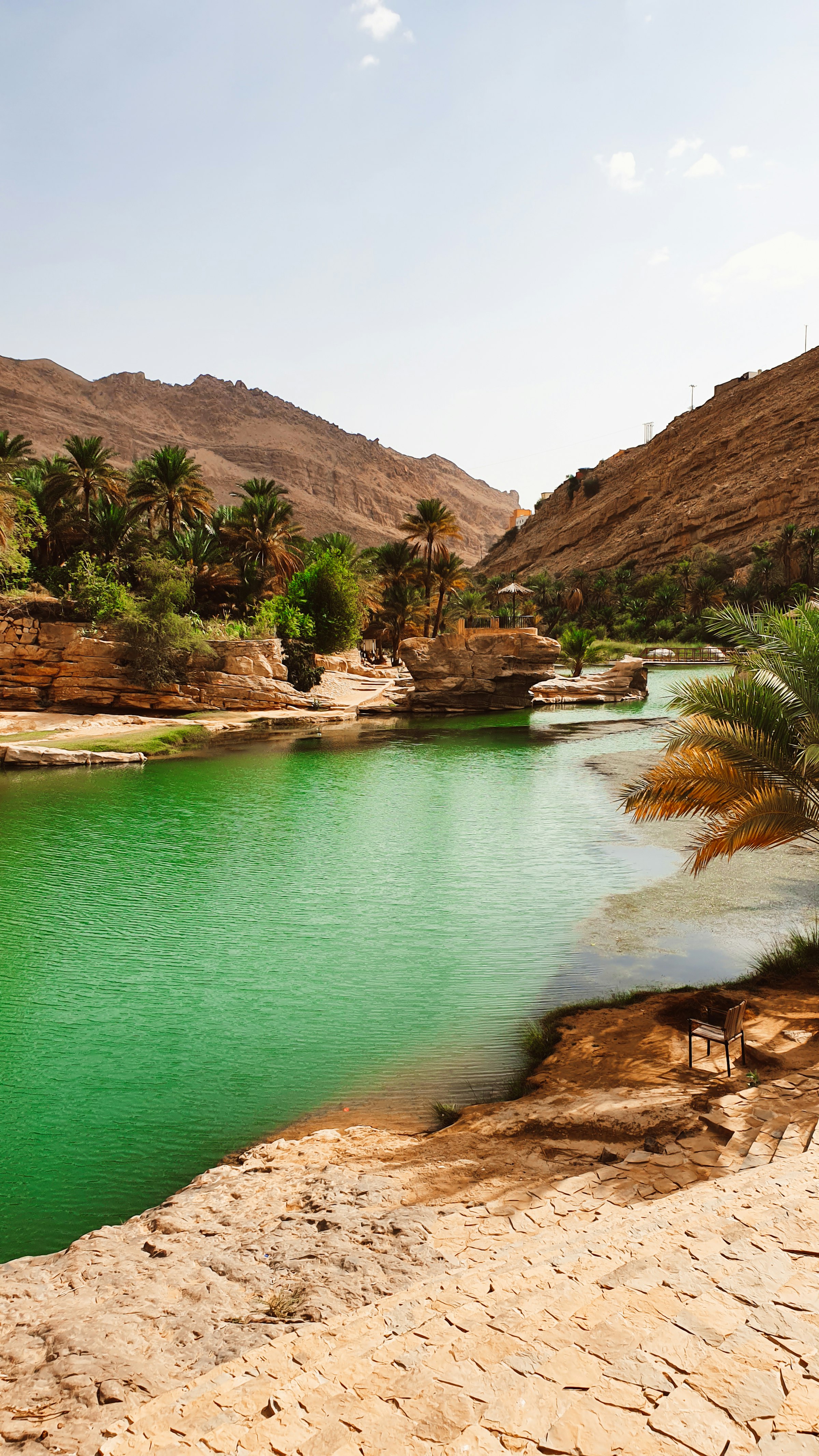
There is something about arriving in Oman for the first time that consistently surprises visitors from the UK. Part of it is the landscape — the Hajar Mountains visible from the highway out of Muscat, the frankincense trees clinging to rocky hillsides, the unexpected green of the wadis cutting through arid terrain. But a larger part of it is the atmosphere. Oman is unhurried. It is courteous. It does not perform its hospitality; it simply offers it. That combination of natural drama and genuine warmth tends to land with first-time visitors in a way that no brochure quite prepares them for.
Getting to that moment well-prepared makes it land even better.
Entry Requirements for UK Travellers
British passport holders can visit Oman without a visa for stays of up to 14 days, provided they have a confirmed hotel booking, evidence of health insurance for their stay, and a return ticket. Your passport must have at least six months of validity remaining from your date of entry — this is a firm requirement, so check before you travel.
For stays longer than 14 days, you will need a visa. The most straightforward option is the unsponsored tourist visit visa, which can be applied for online through the Royal Oman Police e-visa portal before you travel. Processing is generally quick, and having it sorted in advance removes any uncertainty on arrival. Visit visas can also be obtained on arrival at Muscat International Airport.
A note on medications: some prescription and over-the-counter medicines that are legal in the UK contain substances that are restricted in Oman, including certain codeine-based products. If you are travelling with any medication, carry a copy of your prescription and check with Oman's Ministry of Health or your pharmacist ahead of time.
When to Visit
Oman has two very different faces depending on the time of year, and getting the timing right makes a significant difference to the experience.
November through March is the sweet spot for most travellers. Temperatures across Muscat and the interior are warm and manageable — typically between 20 and 30 degrees — and the mountain wadis are at their most accessible. This is peak season for a reason, and it is when we run the majority of our programs. Book accommodation and activities in advance if you are travelling during December or January, as popular properties do fill up.
April and October are shoulder months that offer a good balance of comfortable weather and slightly lower demand. May through September brings intense heat to most of the country — daytime temperatures in Muscat regularly exceed 40 degrees, which limits what is comfortable to do and see.
The exception to this pattern is Salalah, in Oman's far south. From approximately June through September, Salalah experiences the Khareef — a monsoon season that transforms the region into an unexpected landscape of mist, greenery, and waterfalls. It is genuinely extraordinary and completely unlike anything else Oman offers at other times of year. If a client has already done Muscat and the north, the Khareef season in Salalah is one of the most compelling reasons to return.
Getting There from the UK
Muscat International Airport is well connected from the UK. Oman Air operates direct flights from London Heathrow, with a flight time of approximately eight hours. British Airways also operates the route. A number of indirect options are available via connecting hubs for travellers departing from regional UK airports.
Muscat serves as the main gateway, and the vast majority of itineraries begin and end here. Salalah has its own airport with connecting flights from Muscat, which is the most practical way to incorporate the south into a longer trip.
Cultural Etiquette Worth Knowing
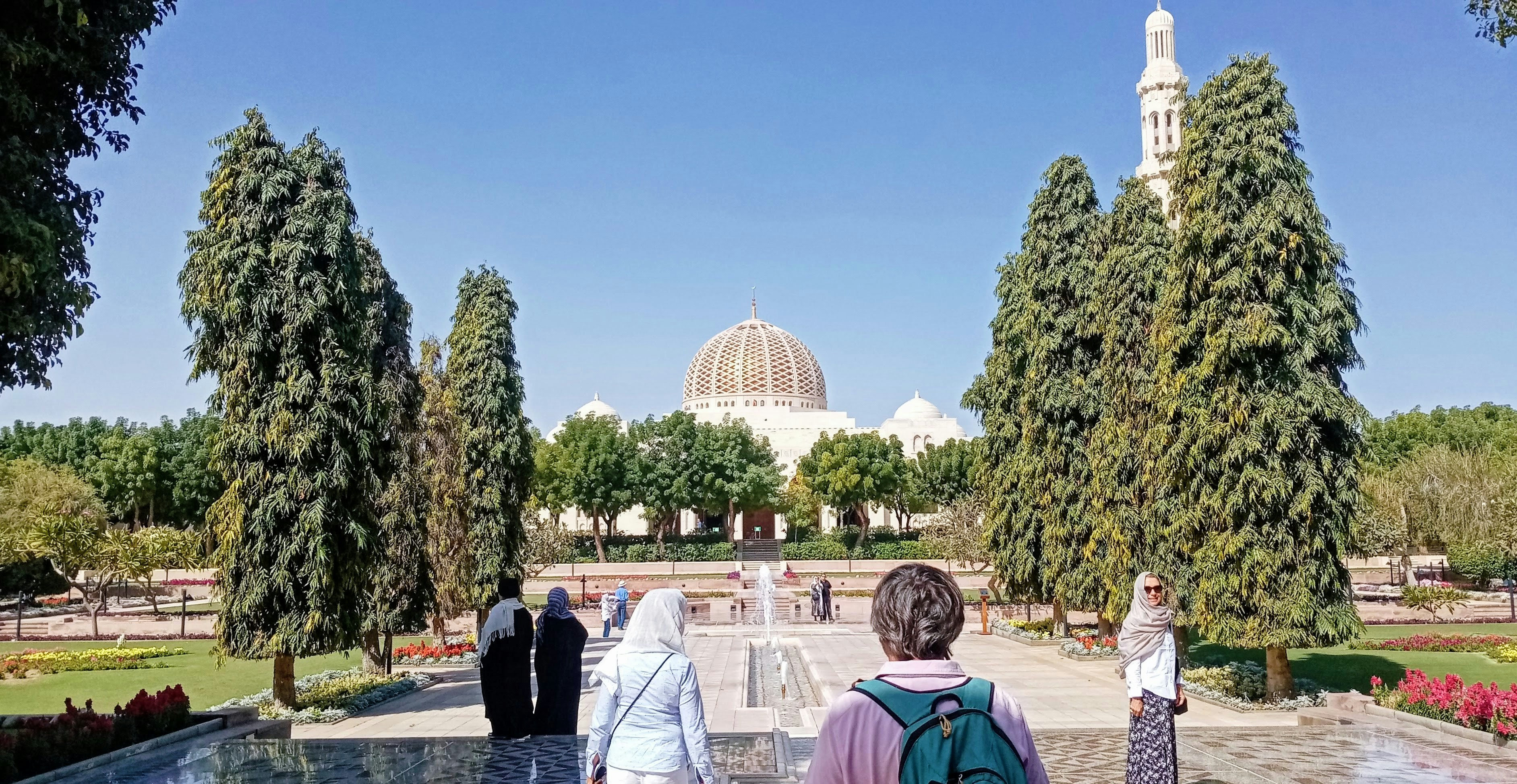
Oman is a Muslim country and it holds its traditions with quiet pride. Visitors are not expected to conform to local dress standards in all settings, but modest clothing — particularly when visiting mosques, souqs, and villages — is both respectful and appreciated. Women should carry a scarf they can use to cover their shoulders and hair when entering religious sites. At the beach and resort pools, normal swimwear is appropriate.
Alcohol is available in licensed hotels and restaurants, but should not be consumed in public spaces. Public intoxication is a legal offence. During the holy month of Ramadan, eating and drinking in public during daylight hours is not permitted, so it is worth checking dates if your travel coincides with this period — many visitors find Ramadan an extraordinary time to travel, but it does change the rhythm of the day.
Omanis are exceptionally welcoming and patient with visitors who are curious and respectful. A little interest in the culture goes a long way.
Travel Insurance
We always recommend comprehensive travel insurance, and this is particularly important right now given the current regional context. When reviewing your policy, check that it covers medical evacuation, trip cancellation, and — if relevant to your travel dates and the current advisory level — disruption arising from regional security events. Policies vary significantly in how they handle elevated advisory situations, so read the small print or speak to your insurer directly before purchasing.
A Note on Planning with a DMC
For first-time visitors especially, working through a Destination Management Company based in Oman offers something that self-booking cannot easily replicate: local knowledge that is current, personal, and genuinely useful. Knowing which guesthouses in Jebel Akhdar have the best canyon views, which guide to request for a wadi walk, how to time a visit to Nizwa Fort to avoid the worst of the midday heat — these are the details that make the difference between a good trip and a great one.
At Arabica Orient Tours, we love helping first-time visitors experience Oman the way it deserves to be experienced. Get in touch with your client's brief and we'll help you build something worth remembering.
Related posts
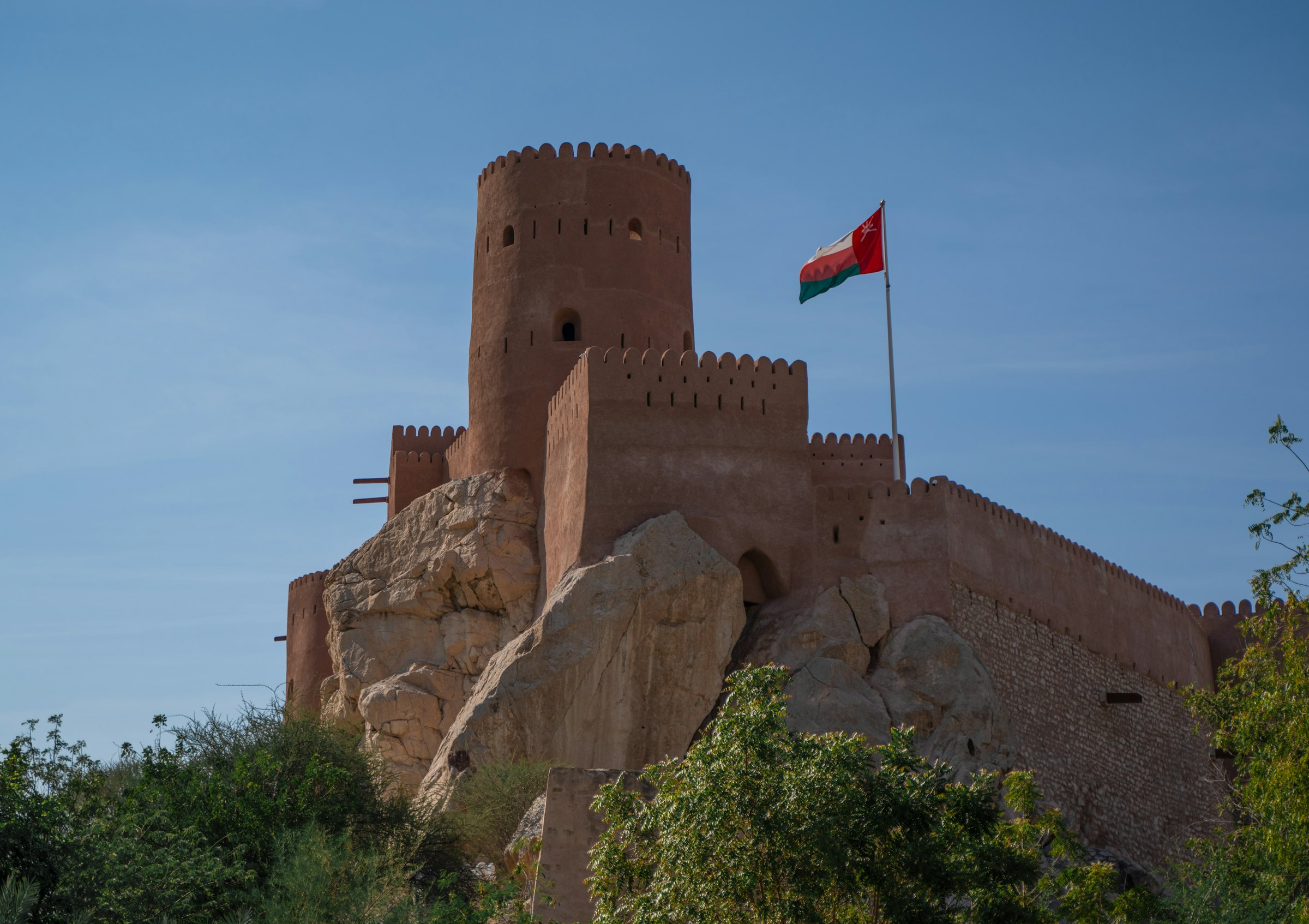
Through Two Rounds of Regional Tension, Oman Hasn't Missed a Beat
How Our Flexible Booking Policies Carried Clients Through Oman's Uncertain Spring