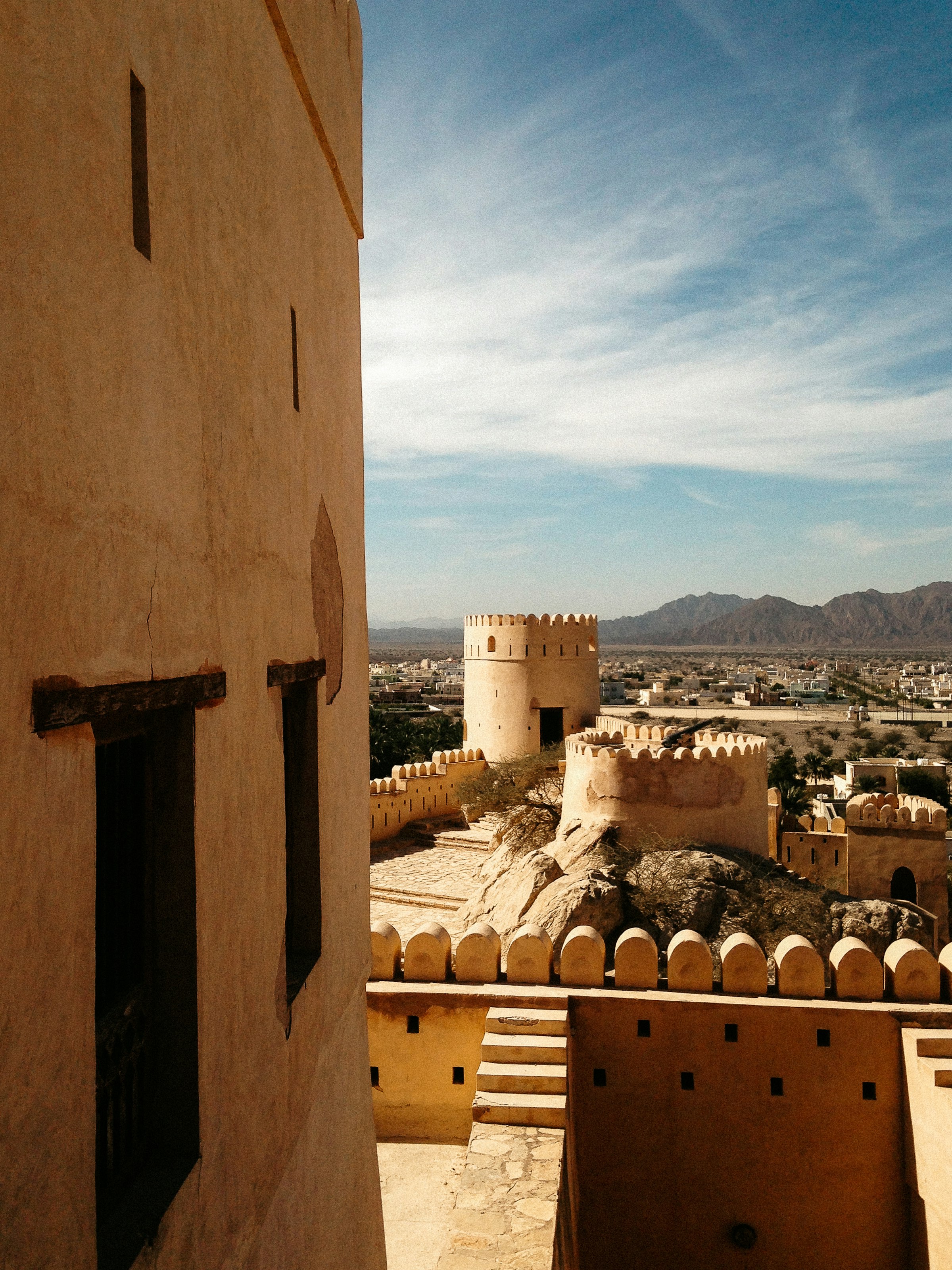
The Incentive Travel Case for Oman: What Corporate Buyers Need to Know Right Now
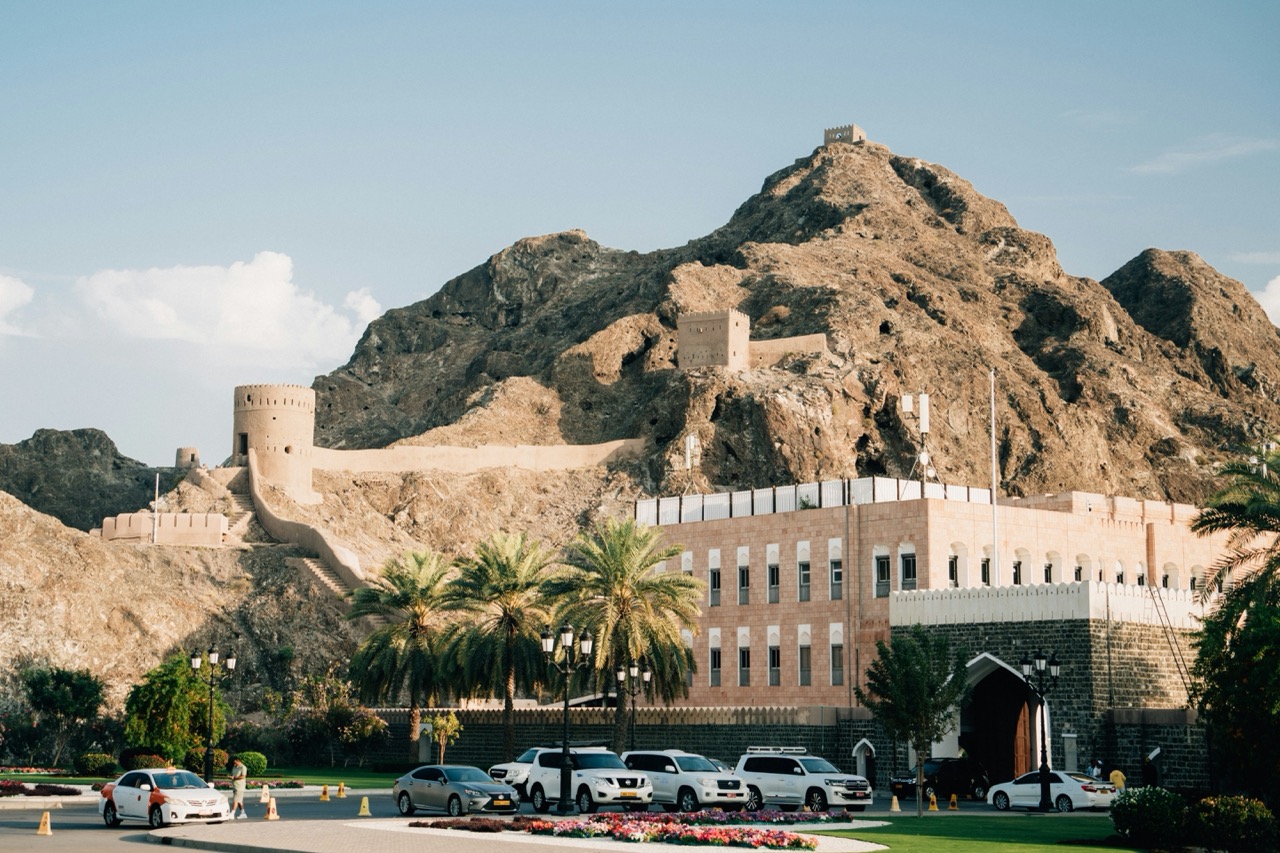
Incentive travel groups demand more than a beautiful backdrop. They need operational certainty, a DMC that can absorb disruption without passing it downstream, and experiences that genuinely land — not just brochure-ready photography. Oman has always delivered on the experience side. Here is our honest answer to the question of whether it still delivers on the certainty side.
Incentive travel groups demand more than a beautiful backdrop. They need operational certainty, a DMC that can absorb disruption without passing it downstream, and experiences that genuinely land — not just brochure-ready photography. Oman has always delivered on the experience side. Here is our honest answer to the question of whether it still delivers on the certainty side.
Why This Conversation Matters More Than Ever
Corporate travel buyers are doing their due diligence in a way that is more rigorous now than it was two years ago. The questions have changed — not just "what can you offer?" but "what happens if something goes wrong?", "how are you monitoring the situation?", "what does your contingency look like?" These are exactly the right questions to be asking, and any DMC worth working with should be able to answer them clearly.
We are going to do that here.
What Is Fully Operational
Muscat International Airport continues to operate. Oman's five-star hotel properties — the Shangri-La Barr Al Jissah, the Al Bustan Palace, the Chedi Muscat, the Alila Hinu Bay in Salalah and others — are open and running full programs. Conference and event facilities in and around Muscat are available and staffed. Our ground teams across Muscat, Jebel Akhdar, and Wahiba Sands are active and delivering programs.
The areas that have experienced any form of advisory-related concern are Oman's industrial port zones — Duqm, the industrial areas of Salalah, Sohar. These are working infrastructure zones, and they are not where incentive travel programs are built. The landscapes, venues, and experiences that make Oman compelling for corporate groups are entirely unaffected.
The Incentive Experiences That Still Define Oman
The value of Oman as an incentive destination has always rested on a specific combination that is genuinely difficult to replicate elsewhere: dramatic natural environments, authentic cultural access, and a hospitality culture that makes every guest feel individually considered. None of that has changed.
A private dinner in the dunes of Wahiba Sands, with fire, starlight, and the silence of the desert, is still one of the most powerful reward experiences available anywhere in the world. A group traverse of Wadi Shab — the turquoise water, the canyon walls, the cave swimming — is the kind of activity that becomes the reference point for every incentive trip that comes after it. A cultural evening in the courtyard of a restored Omani home in Muscat's old town, with live music and a feast of traditional dishes, offers something that a hotel ballroom simply cannot. A sunrise hike on Jebel Shams, above the clouds, earns its place on every highlight reel.
These experiences are running. We are delivering them. And we are doing so with the level of planning and contingency that the current environment demands.
How We Build Contingency Into Every Corporate Program
Our approach to incentive travel has always included detailed operational planning for disruption — weather events, supplier changes, logistical delays. That planning now extends explicitly to geopolitical monitoring, and we have formalized what was already part of our culture.
Every corporate program we build in 2026 includes a clear force majeure framework, agreed in advance with clients and suppliers. We monitor the FCDO advisory and Oman's Civil Aviation Authority daily and communicate any meaningful changes to our corporate partners proactively — before they have to ask. Our itineraries are designed to keep groups in the cultural and natural heartland of Oman, away from any zone referenced in current advisories. And we have contingency routing built into every program so that, should circumstances require a change, we can adapt without unraveling the experience.
This is what on-the-ground expertise actually means. Not just knowing where the best restaurants are, but knowing how to hold a program together when the environment around it shifts.
What Corporate Buyers Should Be Asking Their DMC
When assessing any DMC for Oman programs right now, there are a handful of questions that will quickly tell you how seriously a partner takes their responsibility. Ask them how they monitor the situation on the ground day to day. Ask them what their communication protocol is if conditions change during an active program. Ask them specifically which regions your itinerary traverses, and whether any of those regions fall within current advisory guidance. Ask them what flexibility is built into your supplier contracts.
A good DMC will answer all of these readily and specifically. If the response is vague, or if the answer is essentially "don't worry about it," that is the moment to reconsider.
The Long-Term Opportunity
Companies that keep Oman in their incentive travel rotation during this period — thoughtfully, carefully, with the right partner — will emerge with something valuable: a richer, more distinctive corporate travel portfolio and a working relationship with a DMC that has proven its reliability under pressure. The companies that step back entirely will find themselves rebuilding from scratch when conditions normalize, while their competitors already have the relationships and the product knowledge in place.
Oman is an exceptional incentive destination. The case for it has not fundamentally changed. What has changed is the importance of who you choose to work with on the ground.
At Arabica Orient Tours, we build every corporate program with care, contingency, and complete transparency. If you are planning or reviewing an incentive program for Oman in 2026, we would welcome the conversation.
Related posts
Through Two Rounds of Regional Tension, Oman Hasn't Missed a Beat
How Our Flexible Booking Policies Carried Clients Through Oman's Uncertain Spring